
Assess your governance and authority structure
As systems scale and information appears earlier across engineering and operational environments, authority often remains positioned within structures designed for slower conditions.
Governance failure rarely begins through absence; it begins when authority sits too far from the point of understanding.
Use this self-review to identify where your governance architecture may need realignment.
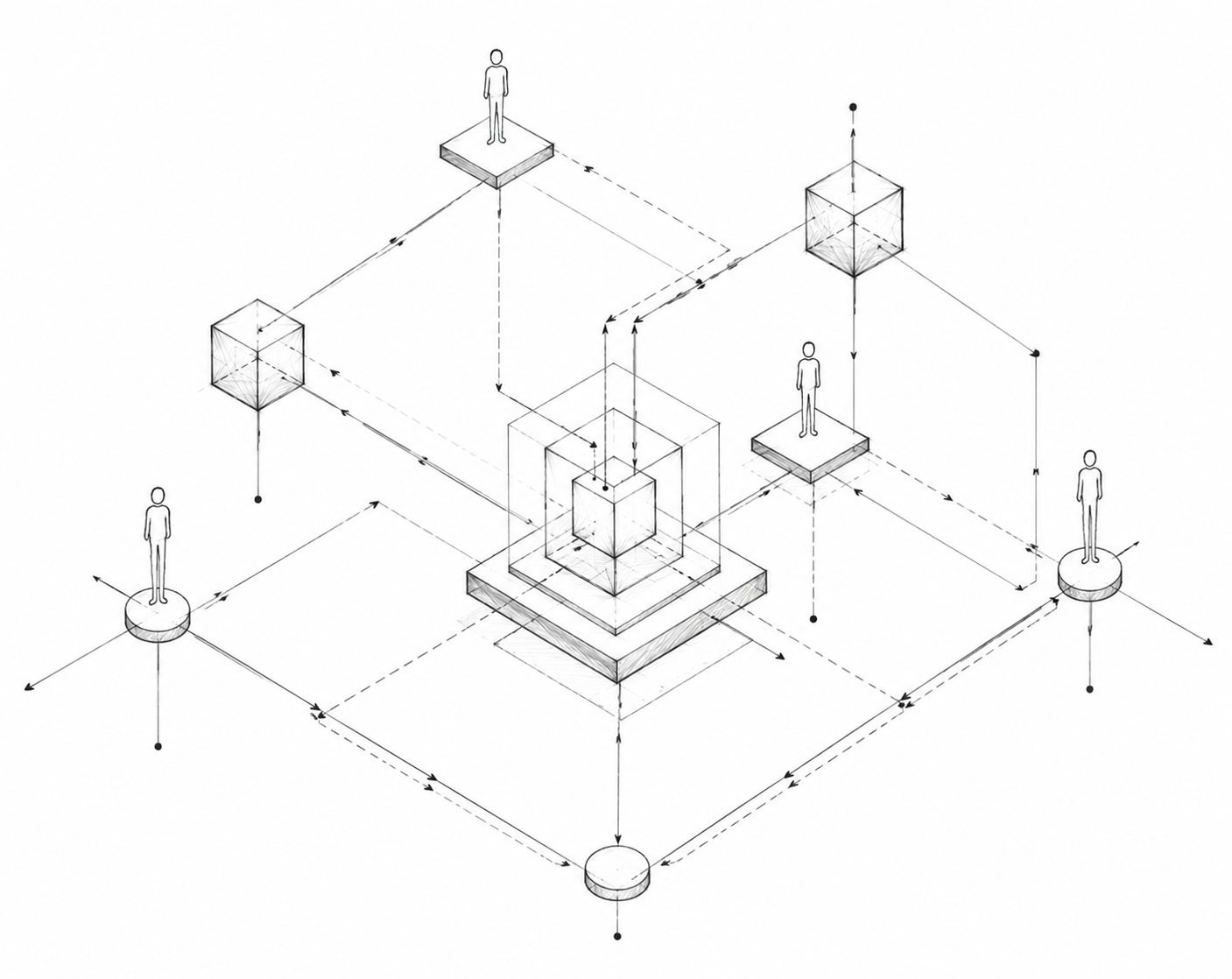
01
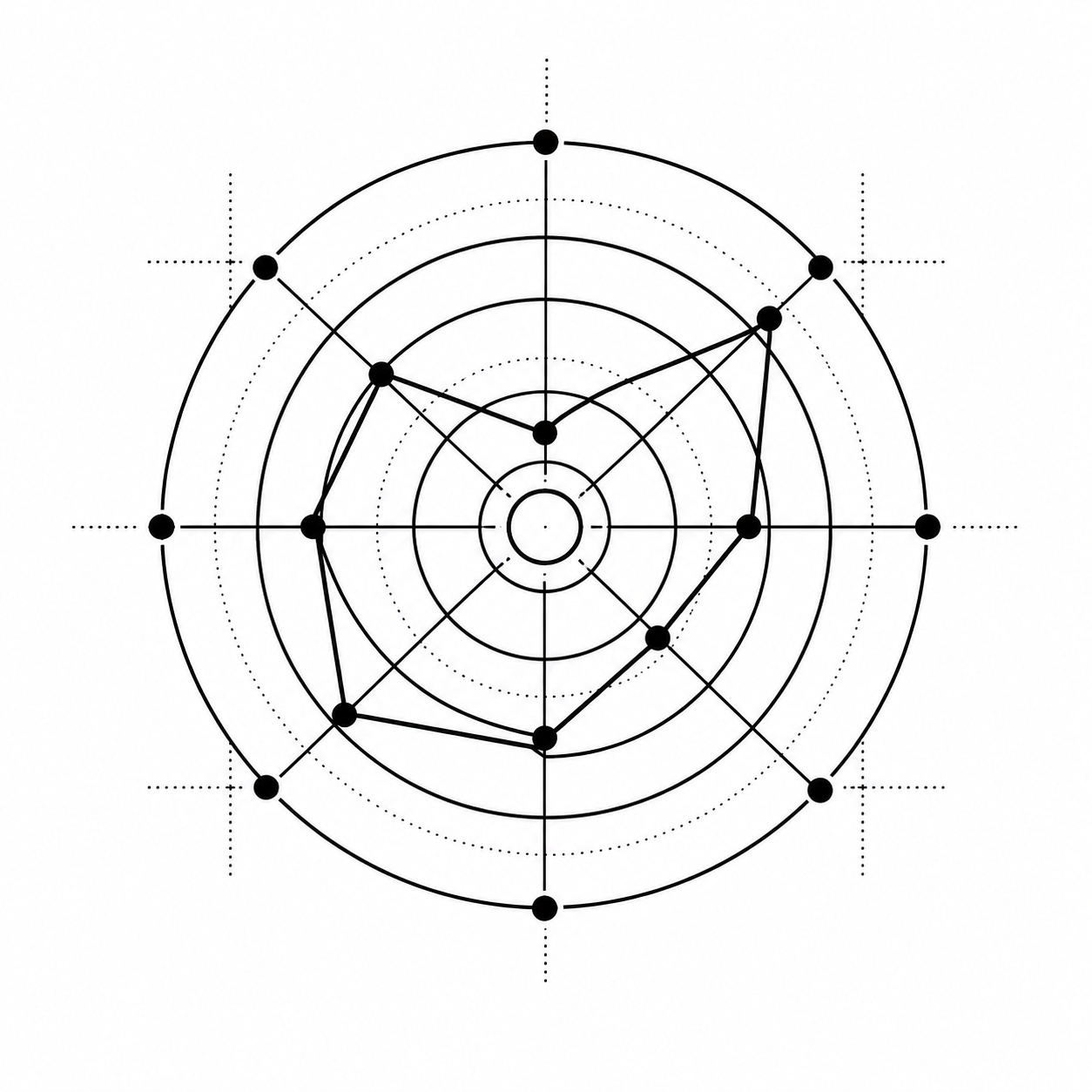
AUTHORITY & SIGNAL
Where is authority positioned relative to the signal?
Are decisions made where the best understanding exists?
Do information and insight reach authority in real time?
Are ownership boundaries clear at the point of decision?
Does authority align to the complexity of the issue?
Is signal to decision latency increasing?
Authority must be positioned where understanding exists, not where hierarchy resides.
02

ESCALATION & CONTROL
How does escalation behave under pressure?
Are escalation thresholds explicit and consistently applied?
Does executive involvement increase as complexity grows?
Are escalations driven by clarity or uncertainty?
Is escalation used to transfer risk rather than resolve it?
Do teams resolve issues before escalating?
Escalation increases when authority sits too far from the signal.
03

LIFECYCLE OWNERSHIP
Does ownership persist across the lifecycle?
Is ownership clearly defined across engineering, operations and commercial functions?
Do compromises get resolved or deferred to the next stage?
Are interfaces between functions explicit and accountable?
Does accountability remain visible as conditions change?
Is end to end ownership traceable and sustained?
High performing systems do not eliminate uncertainty; they structure how it is governed.
04

GOVERNANCE UNDER PRESSURE
Does governance maintain coherence as pace increases?
Do governance reviews create clarity or coordination overhead?
Are reviews designed around operating conditions or reporting cadence?
Does governance resolve uncertainty early?
Is governance cadence aligned to operational velocity?
Does governance evolve with system complexity?
Governance slows when coordination replaces ownership.
05

STRUCTURAL INTERPRETATION
What these patterns often indicate
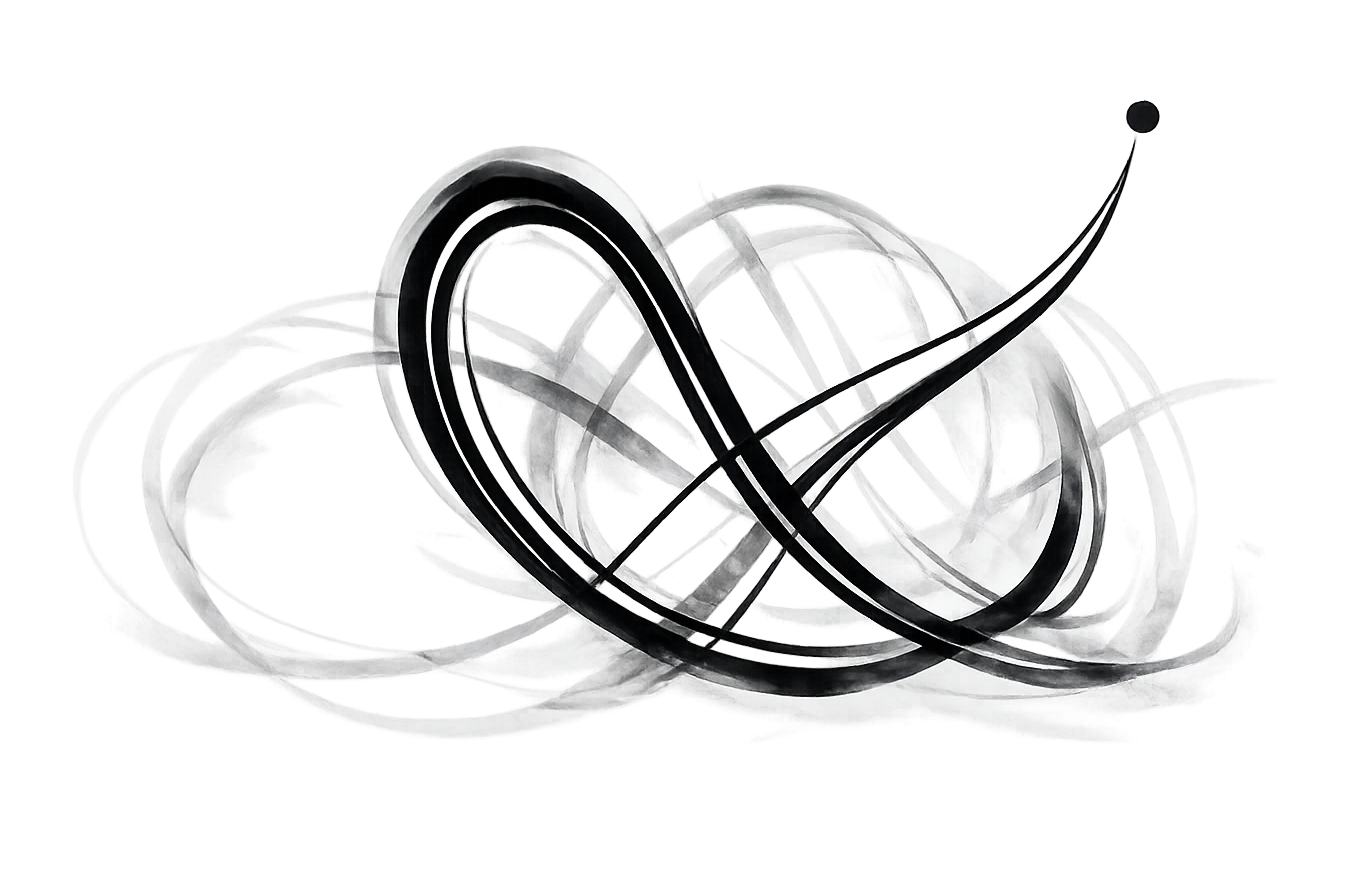
Governance drift
Authority structures evolve slower than the system itself.
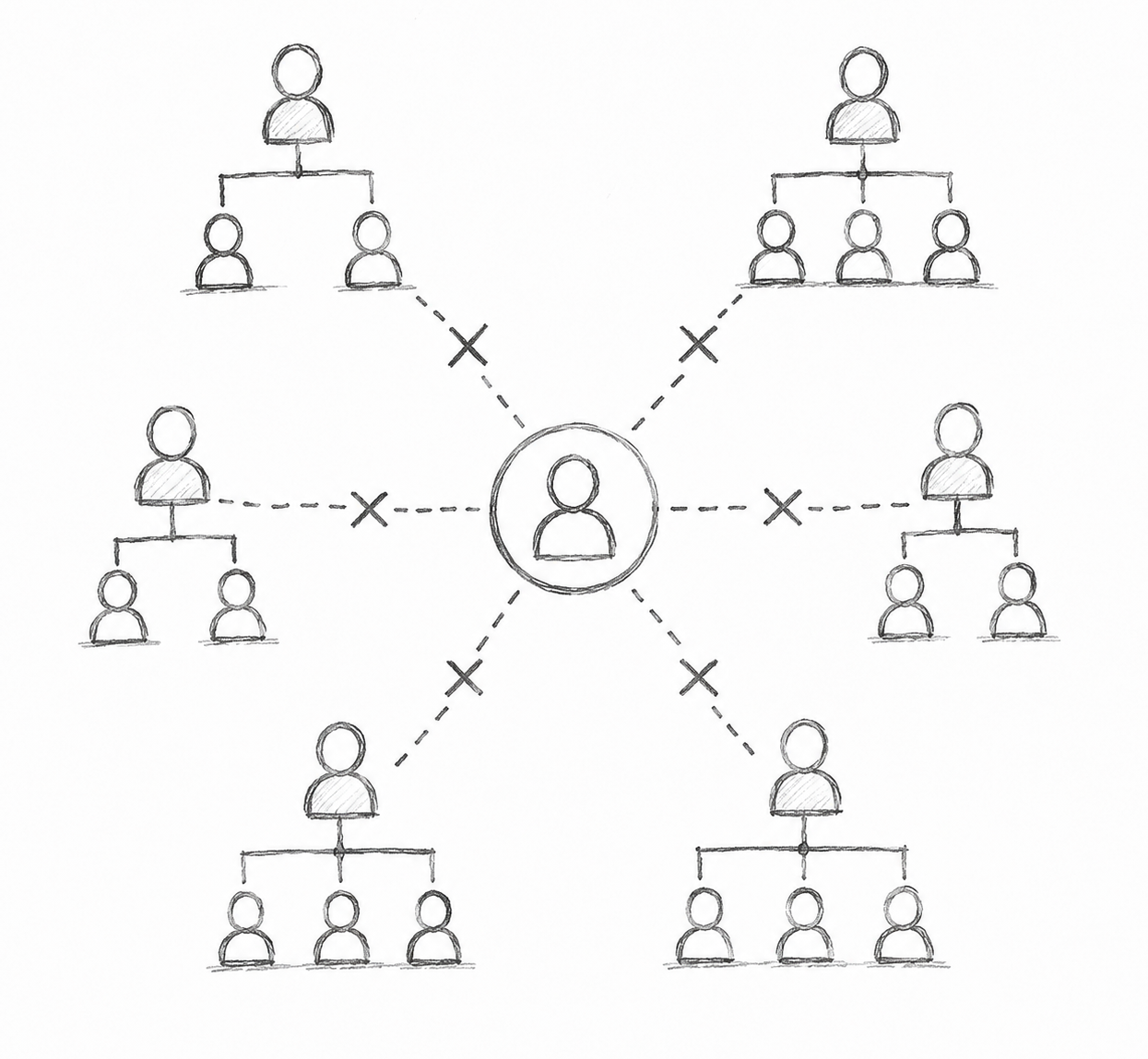
Authority fragmentation
Decision rights are unclear across functions and lifecycle stages.
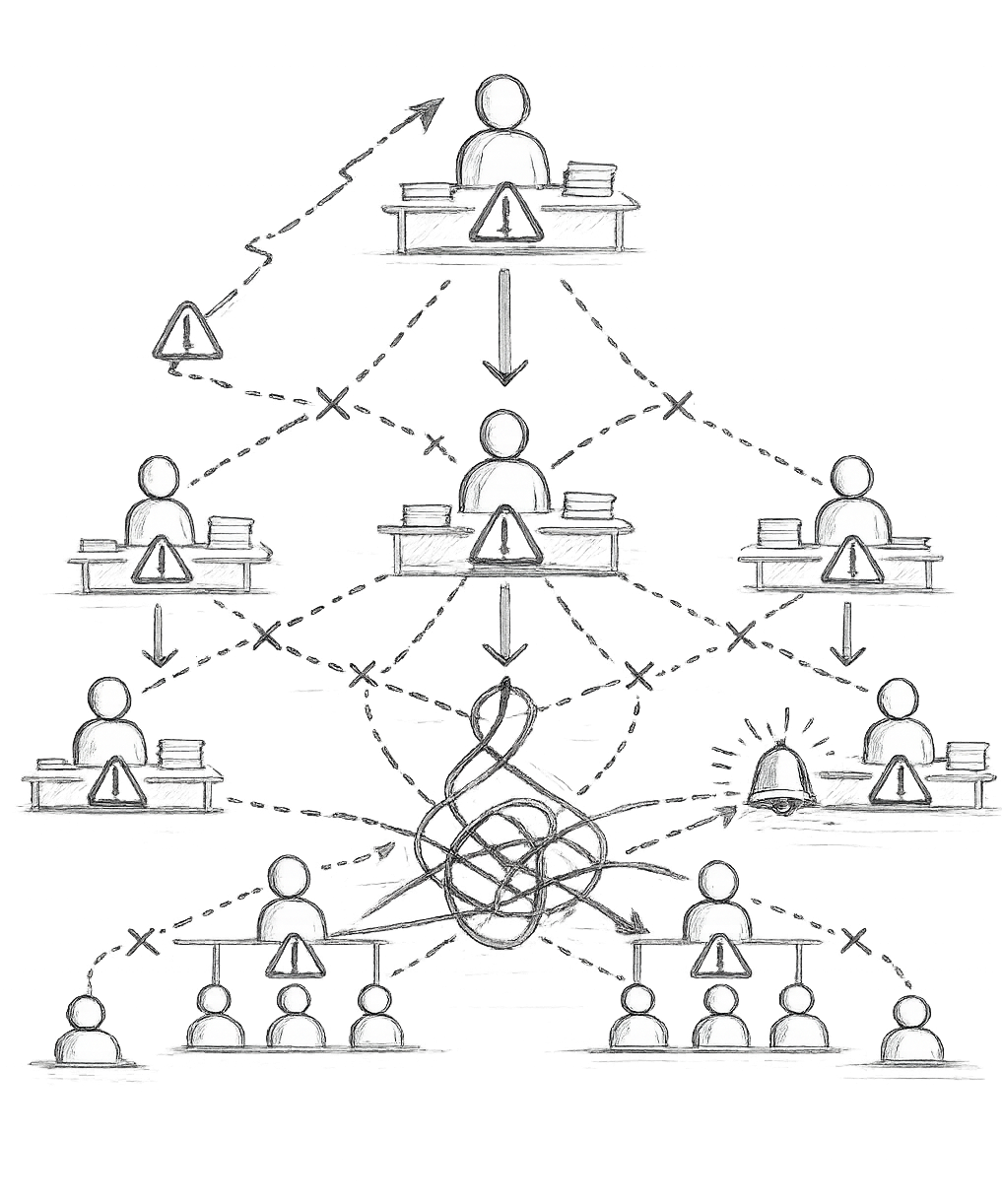
Escalation dependency
The system relies on escalation rather than clear ownership.

These conditions rarely emerge independently. As complexity increases, they reinforce each other and compound across engineering, operational and executive systems.
Defensive oversight
Reviews increase while uncertainty remains unresolved.

Designing governance structures that hold under pressure
We work with boards and executive teams to align governance, authority and escalation structures so decisions remain coherent as complexity and consequence increase.
Confidential. No obligation. Executive level discussion.